A project in partnership with Powys Teaching Health Board supported by Arts Council Wales
Express Yourself!
Express Yourself: An Arts and Health Project in Partnership with Powys Teaching Health Board
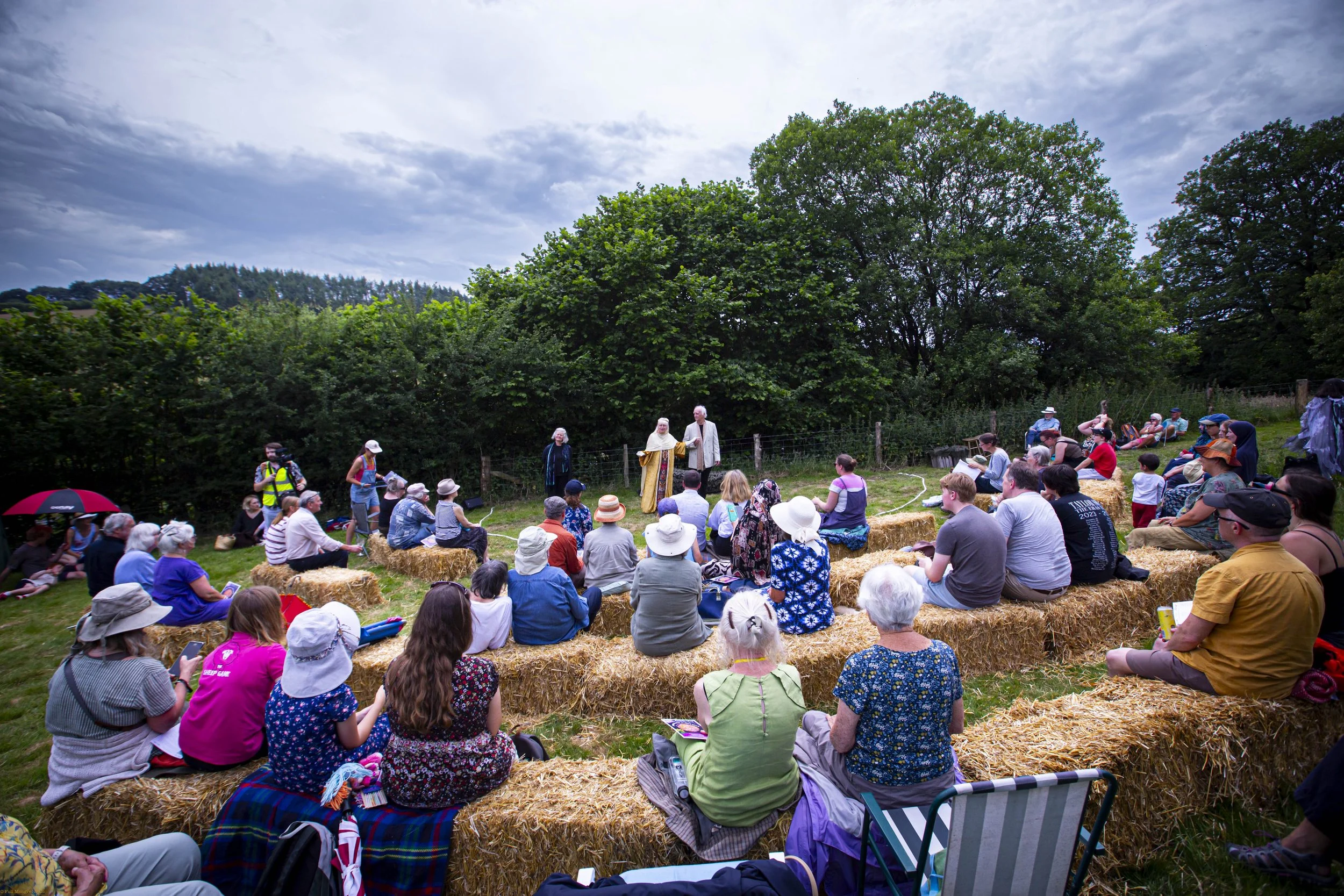
Express Yourself was an arts and health project delivered between October 2024 and March 2025 in Brecon and Newtown, Powys. It offered theatre and movement workshops for adults living with communication difficulties following a neurological condition, including stroke, Parkinson’s, acquired brain injury, Huntington’s Disease and genetic conditions, as well as for some people whose conditions were still under investigation or awaiting diagnosis.
In total, 28 participants took part across three locations, with drama workshops running in Brecon and Newtown, and movement workshops taking place in Brecon.
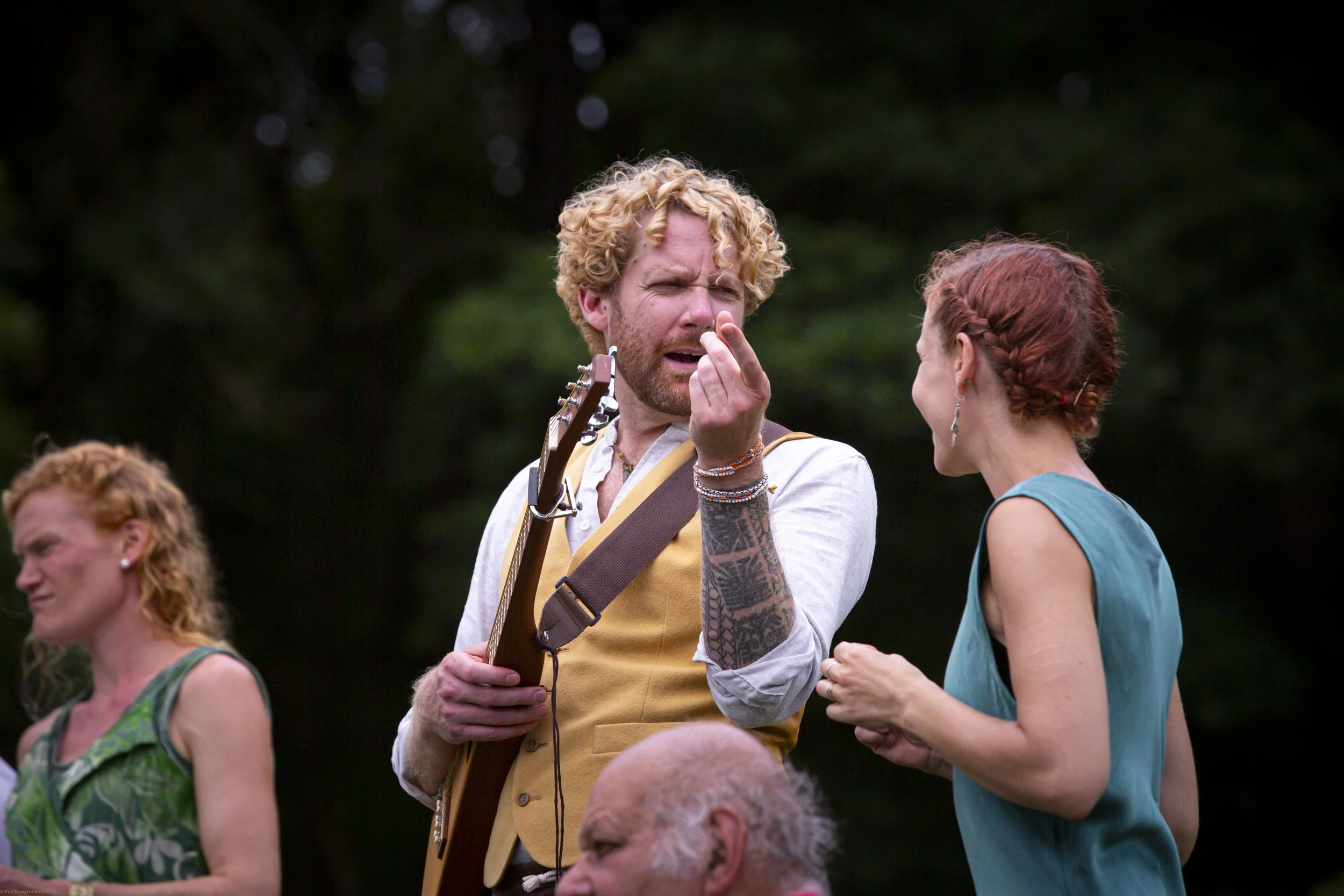
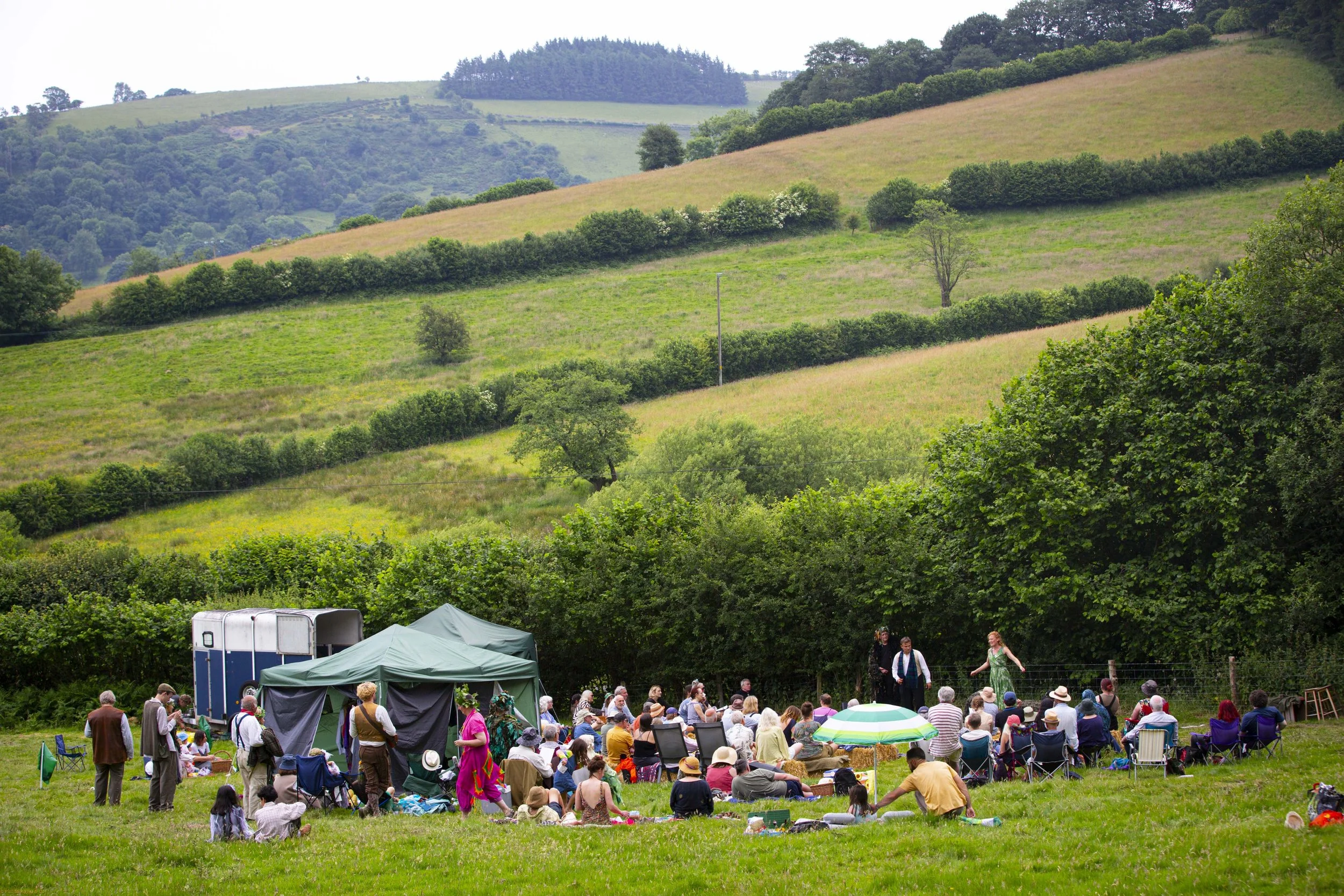
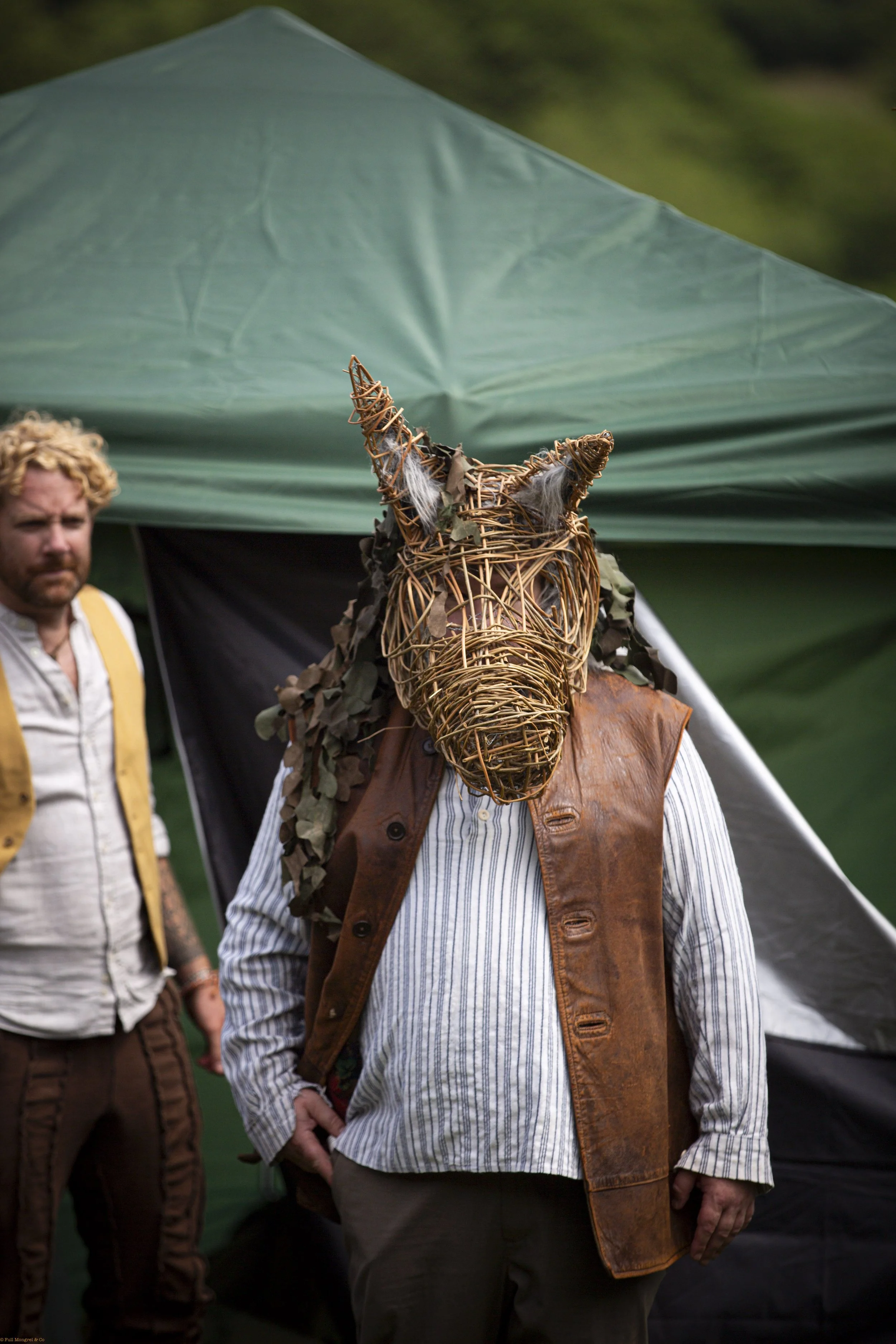
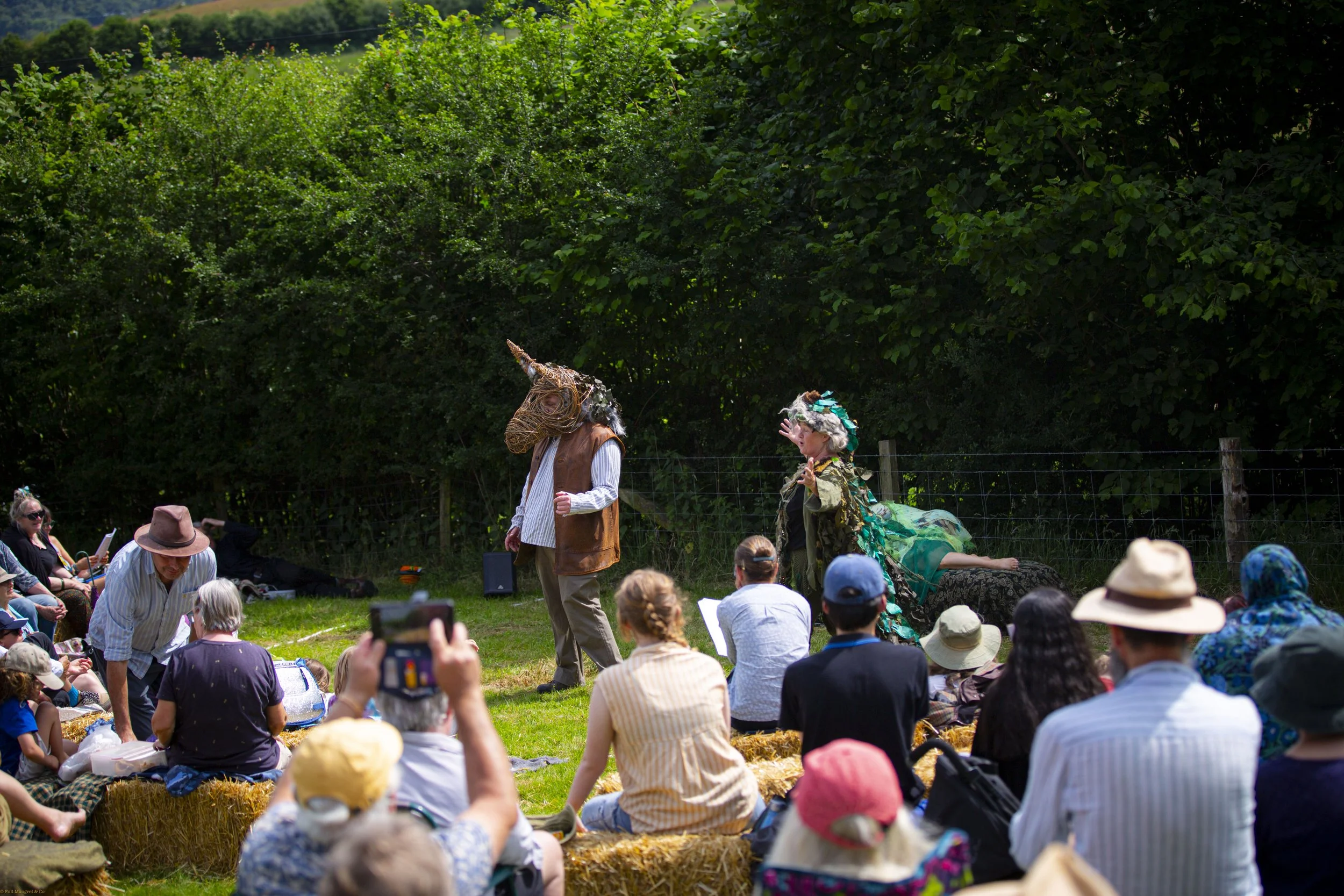
The theatre workshops ran weekly for four weeks in each location. Co-designed with Powys Teaching Health Board (PTHB), they were led by Shakespeare Link practitioners using inclusive, supportive approaches to help participants build vocal confidence and express themselves creatively. Sessions drew on familiar Shakespearean texts, storytelling and playful, character-based activities, creating a relaxed and encouraging environment where participants could explore their voices and imagination at their own pace.
The movement workshops ran weekly for three weeks in Brecon and were led by experienced dance artists. Using books, films and storytelling as creative prompts, these sessions focused on gentle, expressive movement to support physical confidence and embodied expression. The emphasis was on choice, comfort and enjoyment, with participants encouraged to move in ways that felt right for them in a safe and welcoming space.
Developed in partnership with PTHB, the project responded directly to the isolation, confidence barriers and physical limitations often faced by people living with neurological conditions in rural areas. Express Yourself aimed to offer joyful, non-clinical opportunities for connection, communication and self-expression, supporting wellbeing in a way that felt sociable rather than medical. Many participants described feeling uplifted, energised and more confident about trying new things.
One participant reflected:
“It pushed me out of a comfort zone I didn’t even realise I was in. Using sounds and speech was tricky for me, but because of the nature of the sessions, it didn’t feel like speech therapy.”
This comment captures the heart of the project: the value of the arts in offering alternative, non-clinical routes to confidence-building and wellbeing. By creating welcoming creative spaces, Express Yourself enabled participants to engage in activities they may not otherwise have tried, while also supporting wider goals around community connection and resilience.
“I can’t tell you how much I enjoyed the group. I miss groups and it makes such a difference being able to take part.”
Why this project mattered
Express Yourself was developed in response to identified health and wellbeing needs among people living with neurological conditions in Powys. Conditions such as stroke, Parkinson’s, Huntington’s Disease and acquired brain injury can significantly affect communication, confidence and social participation, often leading to isolation and reduced wellbeing.
“I can’t tell you how much I enjoyed the group. I miss groups and it makes such a difference being able to take part.”
In Powys, these challenges are frequently compounded by rural isolation. Living in dispersed communities can make it harder to access activities, with many people reliant on others for transport. Even where opportunities exist, limited public transport can be a major barrier, sometimes undermining confidence before someone has even walked through the door.
“He’s had two strokes, so it’s a safe way for him to meet new people as we live in a small village. It has helped with his speech and movement.”
People with communication difficulties often have smaller social networks and fewer opportunities to connect with others, which can negatively affect wellbeing. Evidence shows that re-engaging with community life and strengthening social connections can lead to better health outcomes.
Consultation with the PTHB Speech and Language Therapy team highlighted that while traditional speech therapy is essential, there was a gap in provision for creative, non-clinical opportunities that could complement therapeutic work in an enjoyable and supportive way. Many individuals were hesitant to join new groups due to confidence issues, speech difficulties, physical limitations and the additional challenge of transport.
Co-production and consultation
The project was co-designed with PTHB leads, drama practitioners and movement artists to ensure sessions were accessible, relevant and enjoyable. Practitioner knowledge helped shape the use of Shakespearean texts and storytelling themes that offered familiarity and reassurance, while movement sessions were intentionally open-ended, allowing participants to make choices based on their own comfort and creativity.
This approach was strengthened by bespoke professional training from the specialist speech and language lead at PTHB, enabling practitioners to respond more intuitively and confidently to individual needs.
What was delivered
Express Yourself delivered a programme of theatre and movement workshops for people living with neurological conditions.
The theatre sessions were facilitated by Sue Best and Phil Bowen from Shakespeare Link, alongside Helen Street, and were rooted in an inclusive, approachable methodology adapted for participants with limited speech. Sessions focused on self-expression in a non-clinical environment, using carefully chosen Shakespearean texts to build confidence and foster connection through shared creative experience.
“It didn’t feel like speech therapy, but it’s been really therapeutic.”
The movement sessions, led by dance artists Jake Nwogu and Jemma Louise, took a participant-led approach to building physical confidence. Through gentle exploratory movement, storytelling and improvisation, participants were encouraged to find their own pace, flow and comfort within their bodies.
“I’m high on the excitement of being part of a group.”